


How to Clean House After Mold Remediation: The Complete Checklist
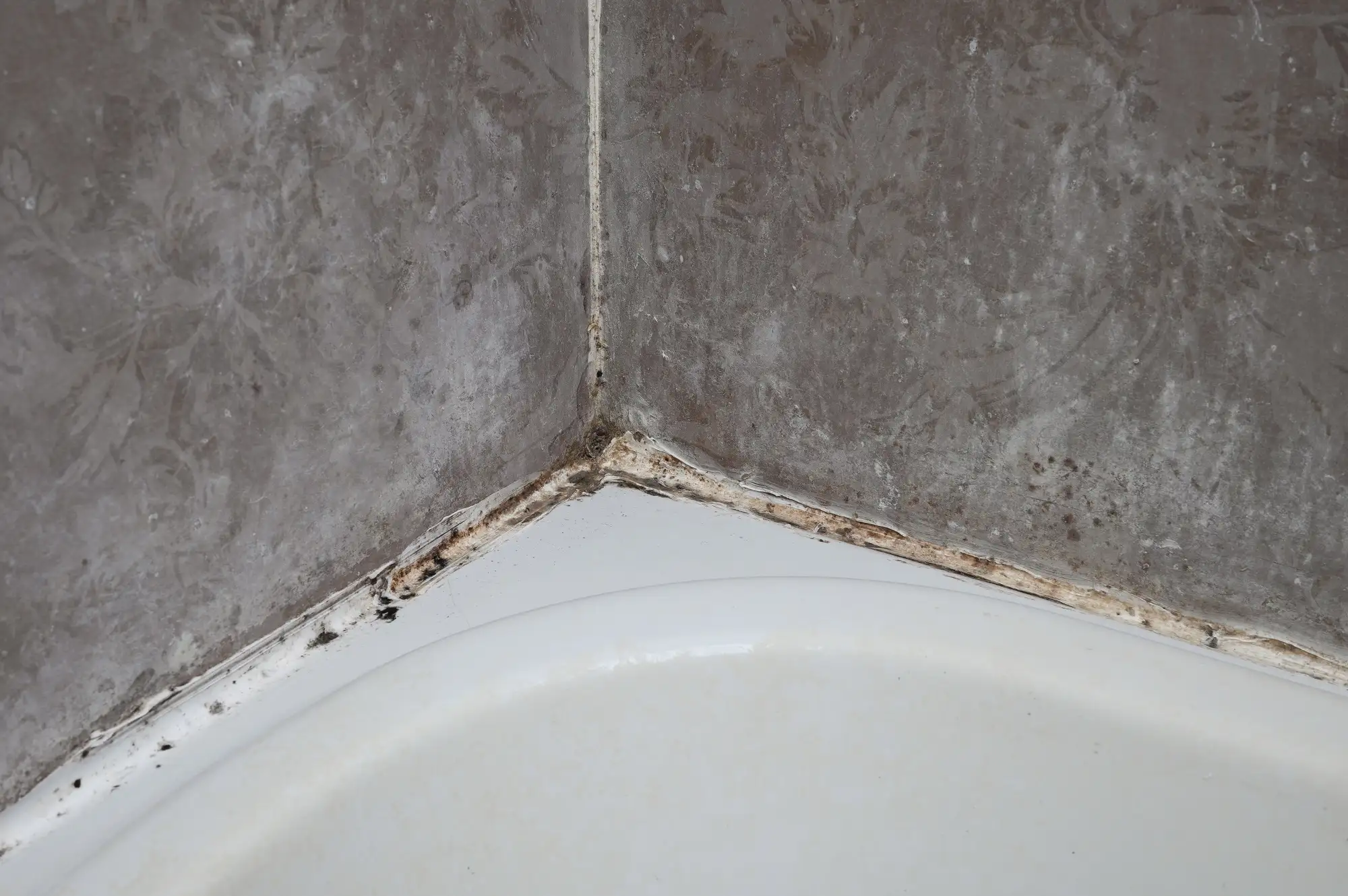
Mold remediation clears the visible problem, but it doesn't leave your home clean. Residual dust, spores, and residue can linger on surfaces, in the air, and deep inside fabrics long after the remediation crew is gone.
Thorough post-remediation cleaning is the next step. For homeowners in the area, Naperville one-time cleaning from EuroMaids is a good option to get your home back to a fresh, safe state. Here's exactly what that process should cover.
Is It Safe to Be Home After Mold Remediation?
Before grabbing a mop and bucket, it's worth knowing whether your home is ready for re-entry. Professionals use containment barriers and negative air machines during remediation, but residual airborne contaminants can still be present once those systems come down.
When You Can Return
Most certified remediation companies will let you know when re-entry is safe, but a few signals matter:
- Containment removed: Once barriers and protective plastic sheeting are down, the affected zone is no longer under negative pressure.
- Air scrubbers off: If air scrubbers were running, the space needs a few hours to settle before cleaning begins.
- No strong chemical odor: A lingering biocide smell means surfaces are still wet or off-gassing. Ventilate the space before starting any cleaning.
Post-Remediation Verification Testing
A post-remediation verification (PRV) test, sometimes called a clearance test, checks for remaining mold spores via air quality testing and surface sampling. It's conducted by a third-party inspector, separate from whoever did the remediation. If the space fails clearance, additional work is needed before you clean or move anything back.
Note: Skipping the clearance test is risky. A visually clean surface doesn't guarantee spore counts are within safe limits, especially for anyone with respiratory issues or mold allergies.
How to Clean Your House After Mold Remediation

Post-mold remediation cleaning focuses on removing mold residue, spores that settled during the remediation process, and any cleaning agents left behind. Work from top to bottom and from the contaminated area outward to avoid cross-contamination.
Gear Up First
Don't start cleaning without proper PPE. Even after professional remediation, disturbing settled dust can send spores back into the air.
- N95 respirator mask: Standard dust masks don't filter mold spores at the particle size that matters. Use an N95 or higher.
- Protective gloves: Nitrile or rubber only — fabric gloves absorb contaminants rather than blocking them.
- Safety goggles: Particularly important when wiping overhead surfaces where dust falls.
- Disposable coveralls: Optional, but worth it for areas that saw heavy mold growth.
HEPA Vacuum Everything
A HEPA filter vacuum is the most important tool for post-remediation cleaning. Standard vacuums recirculate fine particles, including mold spores, back into the air.
- Horizontal surfaces: Vacuum all shelves, countertops, window sills, and furniture tops before wiping anything down.
- Carpets and upholstery: Run the HEPA vacuum over these before any wet cleaning to pull up settled spores.
- Vents and frames: Don't skip HVAC vents, ceiling fans, and the tops of door frames where dust collects.
Wipe Down All Hard Surfaces
After vacuuming, use an EPA-registered antimicrobial cleaner or disinfectant on all nonporous and semi-porous surfaces. Microfiber cloths work best as they trap particles rather than spreading them.
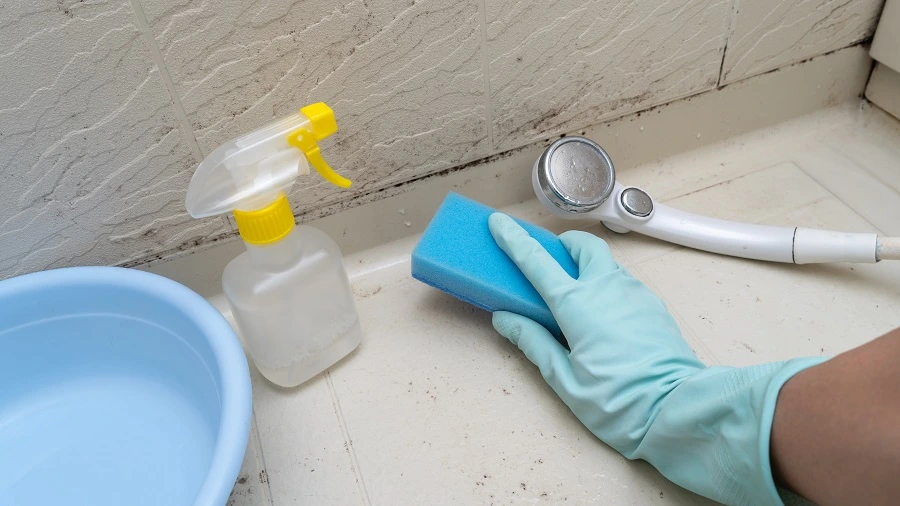
- Walls and baseboards: Wipe down with a damp microfiber cloth and antimicrobial solution, paying close attention to areas directly adjacent to where mold was removed.
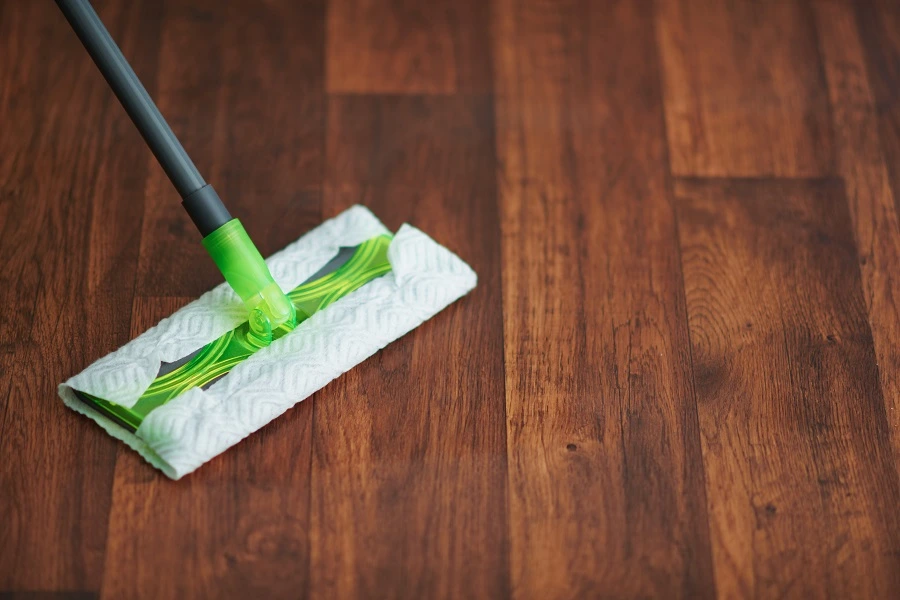
- Floors: Damp mop hard floors with a disinfectant solution. Avoid soaking wood floors, since moisture is what caused the problem in the first place.
- Window sills and door frames: These spots are easy to skip and tend to collect settled dust.
Note: For drywall or painted surfaces near the remediated area, use a lightly damp cloth only. Excessive moisture can cause new damage.
Clean Carpets and Soft Furnishings
Porous surfaces like carpets and upholstery are the hardest to fully decontaminate after mold exposure. If the carpeting was in or immediately adjacent to the affected area, replacement may be the safest option.
For carpets that weren't directly exposed:
- HEPA vacuum first: Do a thorough pass before any wet treatment to pull up loose spores.
- Steam cleaning: This can help with residual spores on carpet fibers, but the carpet must dry completely afterward. Trapped moisture creates ideal conditions for mold regrowth.
- Upholstered furniture: For upholstery cleaning, use a fabric-safe antimicrobial spray and allow the piece to dry fully before use.
Wash Fabrics, Curtains, and Clothing
Any soft goods — curtains, bedding, throw pillows, clothing stored in the affected area — should be laundered separately from unaffected items to prevent cross-contamination.
- Hot water wash: Use the hottest temperature the fabric allows, along with a mold-fighting laundry additive.
- Drying: Dry thoroughly, preferably in direct sunlight if weather permits.
- Non-washable items: Vacuum with a HEPA attachment and air them outside for several hours before bringing back inside.
How to Improve Indoor Air Quality After Mold Remediation
Cleaning surfaces is half the job. Airborne spores and the musty odor that often accompanies mold remediation need to be addressed separately.
Run an Air Purifier
An air purifier with a true HEPA filter captures airborne mold spores, dust, and other particulates. Place it in the room where remediation occurred and run it continuously for at least 24–48 hours after cleaning.
Note: Ionizing or ozone-based air purifiers are not recommended. They don't effectively capture spores, and ozone can irritate airways, particularly for anyone already sensitive to mold exposure.
Ventilate the Space
Open windows and use fans to bring in fresh air and push stale air out. Ventilating the house after mold removal helps clear both airborne contaminants and any residual cleaning product odors. Do this for at least 24 hours following the final clean.
Use a Dehumidifier
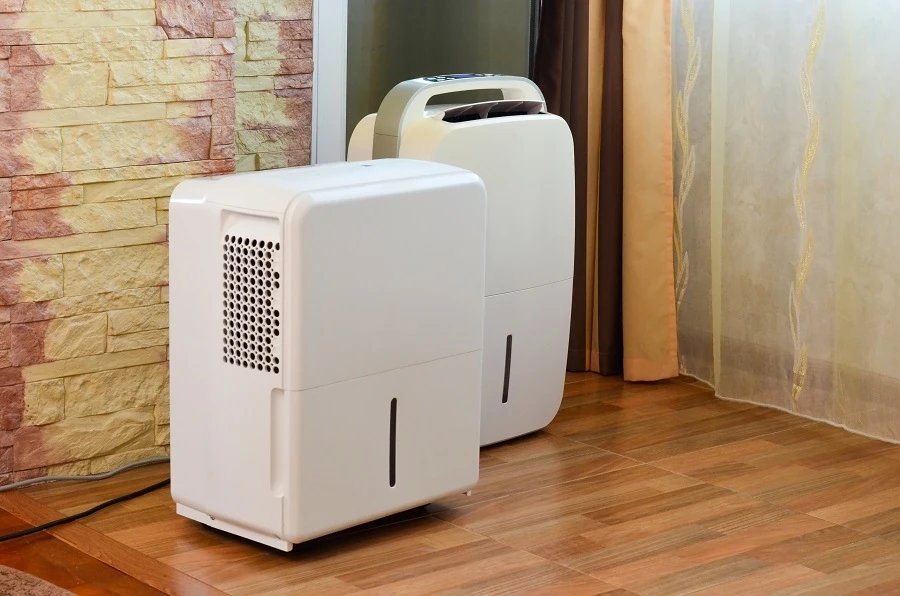
Mold thrives in humidity above 60%. Once your home is clean and aired out, a dehumidifier helps maintain indoor humidity in the safe range of 30–50%. This is especially important in basements, bathrooms, and any space that had moisture issues.
Cleaning the HVAC System After Mold
The HVAC system can distribute mold spores throughout the entire home, including rooms that weren't directly affected. If mold was found near an air return or the remediation involved any part of the ductwork, cleaning the system is a necessary step.
What to check and clean:
- Air filters: Replace immediately after remediation. Even recently changed filters have been exposed to elevated spore levels.
- Vents and registers: Remove and wipe down with an antimicrobial solution. Let dry fully before reinstalling.
- Air ducts: For significant mold events, scheduling professional air duct cleaning is worth considering to prevent spores from recirculating.
Surface-Specific Post-Mold Cleaning Guide
Different materials require different approaches. Using the wrong method can damage surfaces or push spores deeper into porous materials.
Cleaning Walls After Mold Remediation
Walls adjacent to mold-affected areas often carry settled spores and remediation dust. Wipe them down with a microfiber cloth dampened with an antimicrobial solution, working in sections from ceiling to baseboard. Allow the surface to dry fully before painting over or replacing drywall.
Cleaning Floors After Mold Remediation
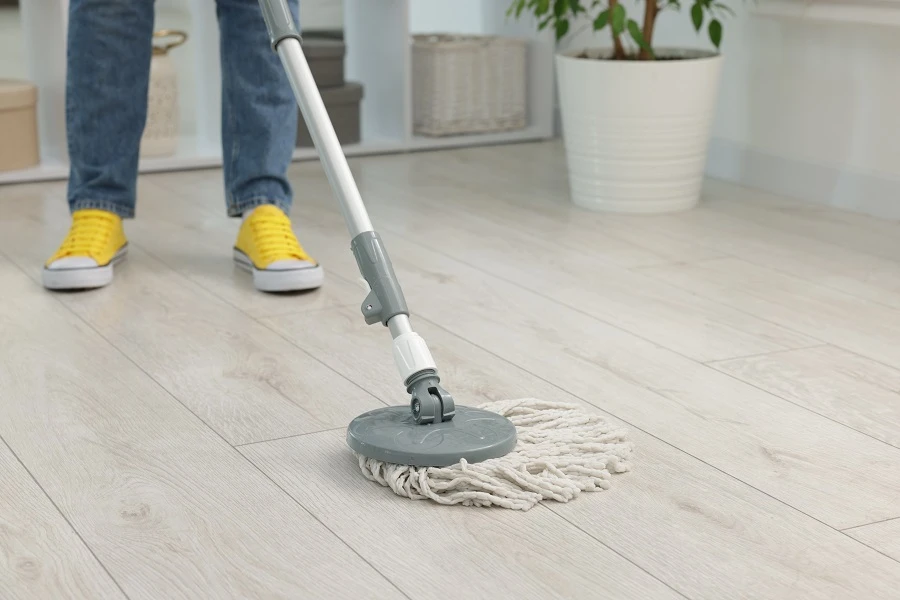
The floor type determines what you can safely use. Moisture is the shared concern across all of them, so avoid over-wetting any surface during the cleaning process.
- Hardwood: Damp mop only, never saturate. Use a wood-safe disinfectant and dry immediately.
- Tile: Scrub grout lines with a stiff brush and antimicrobial solution. Grout is porous and holds spores easily.
- Vinyl/laminate: Damp mop with a mild antimicrobial solution. Check edges and seams where moisture tends to collect.
Cleaning Furniture After Mold Removal
Hard furniture (sealed wood, metal, glass): wipe with a microfiber cloth and antimicrobial spray. Soft furniture: HEPA vacuum first, then treat with a fabric-safe antimicrobial spray and allow to dry fully. Furniture with significant mold penetration into the frame or foam should be evaluated for replacement.
Cleaning Clothing Exposed to Mold
Bring items outdoors to brush off loose spores before bringing them inside for laundering. Wash with hot water at the highest temperature the fabric can handle. Add a cup of white vinegar to the rinse cycle as an additional antimicrobial measure. Air dry in direct sunlight when possible.
How to Prevent Mold from Coming Back
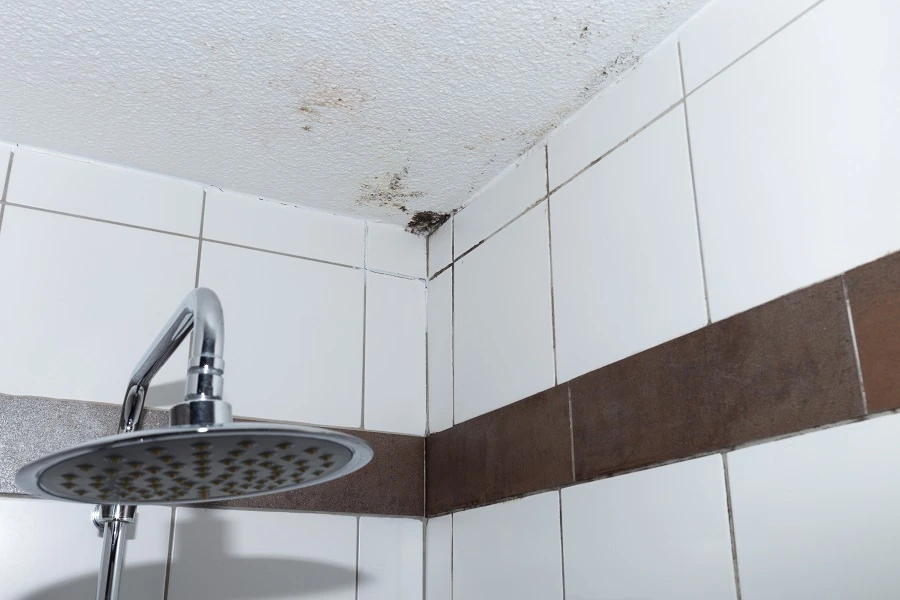
The last step after mold remediation isn't cleaning at all. It's building habits that stop mold from finding a foothold again. Most mold recurrence comes from the same conditions that caused the problem the first time.
- Fix moisture sources first: Plumbing leaks, roof drainage issues, and basement seepage should be addressed quickly. Mold needs moisture to grow, so removing that source is the most effective prevention.
- Keep indoor humidity in check: Maintain levels between 30–50% using a dehumidifier, especially in basements, bathrooms, and laundry areas during humid months.
- Clean high-risk areas regularly: Consistent deep cleaning of bathrooms, kitchens, and basements removes the organic buildup that mold feeds on. Focus on grout lines, under-sink areas, and window sills.
- Watch for early signs: Musty odors in specific rooms, discoloration on walls or ceilings, condensation on windows, and allergy symptoms that clear up outdoors are all signals worth investigating. Catching regrowth early makes the fix much smaller.
Staying on top of these habits after remediation is much easier than going through the process a second time. If you'd like support with regular home maintenance cleaning, EuroMaids is available for home cleaning in Naperville and surrounding areas.
A Clean Home Starts Where Remediation Ends
This guide covers the main steps of post-remediation cleaning: HEPA vacuuming, surface disinfection, fabric laundering, HVAC filter replacement, and ongoing moisture control. Going through each of them systematically gives your home the best chance of staying mold-free.
EuroMaids provides house cleaning in Naperville and surrounding communities. If you want to set up a regular cleaning routine that helps keep your home in good shape, reach out for a free quote.

Related Posts
March 18, 2026
March 18, 2026
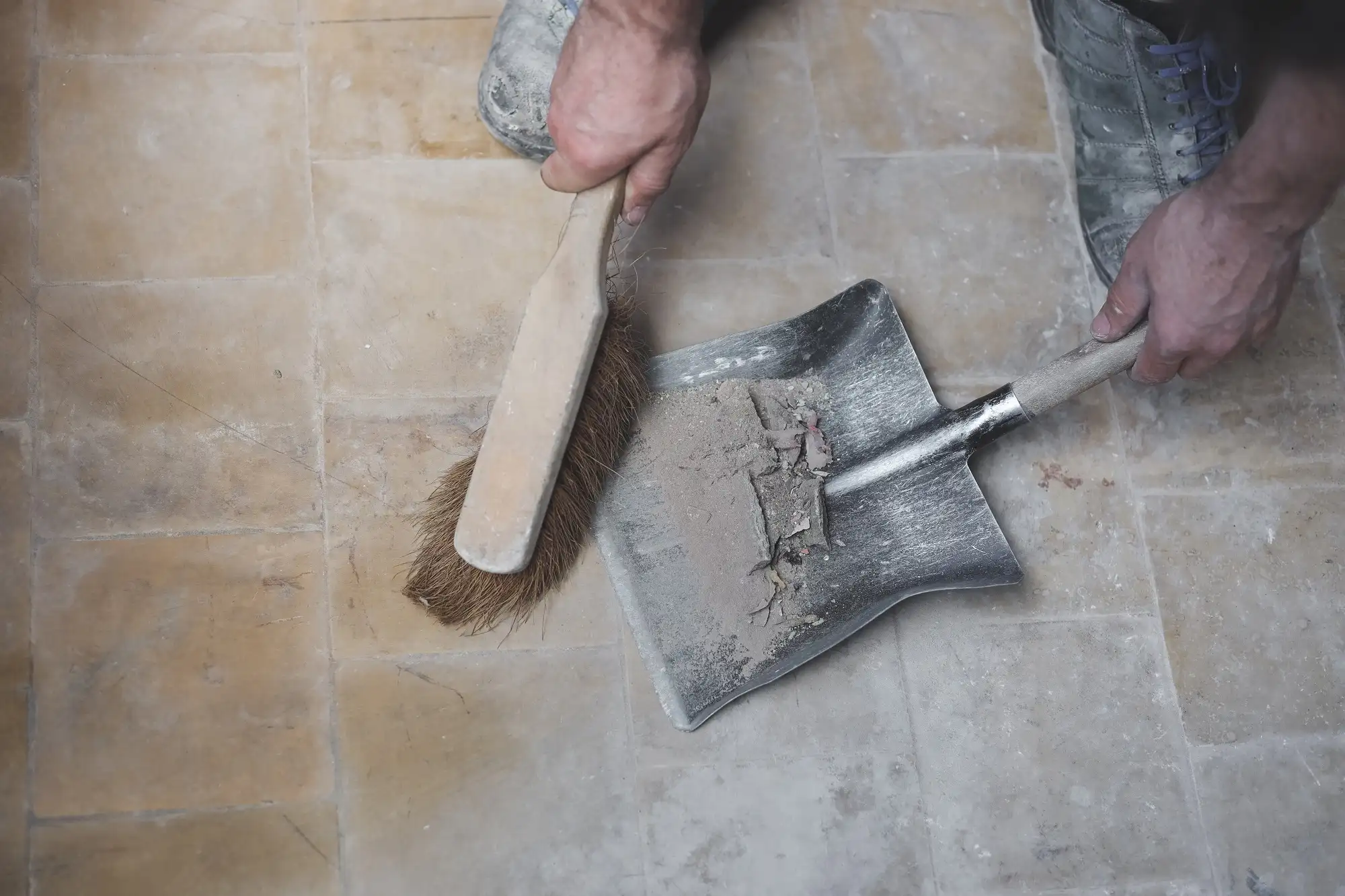
How Much Does Post-Construction Cleaning Cost in Naperville? 2026 Guide.
Post-construction cleaning cost in Naperville runs $0.20–$0.45/sq ft in 2026. See the price breakdown, what's included, and how to avoid surprise charges.
Read More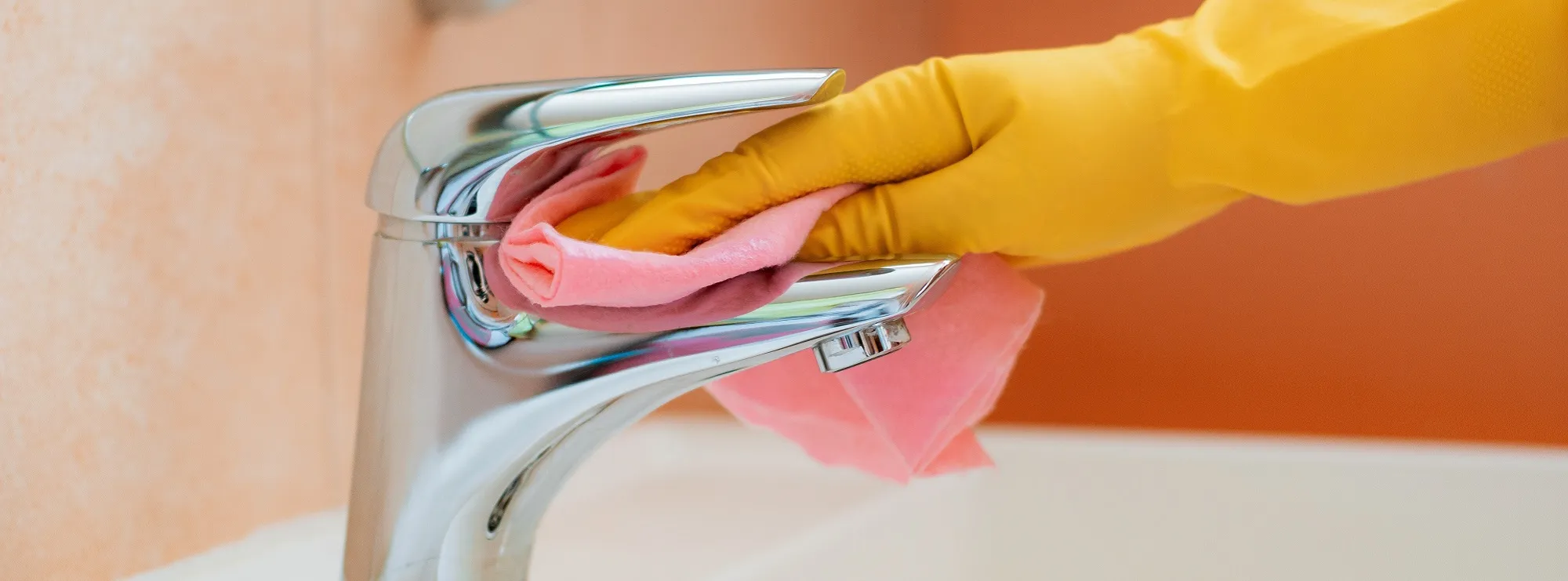
December 29, 2025
March 18, 2026
The Ultimate Bathroom Deep Cleaning Checklist: 12 Steps to Perfection
Learn bathroom deep cleaning from pros! This 12-step guide covers everything from grout to fixtures for a spotless, sanitized bathroom. Get started now!
Read More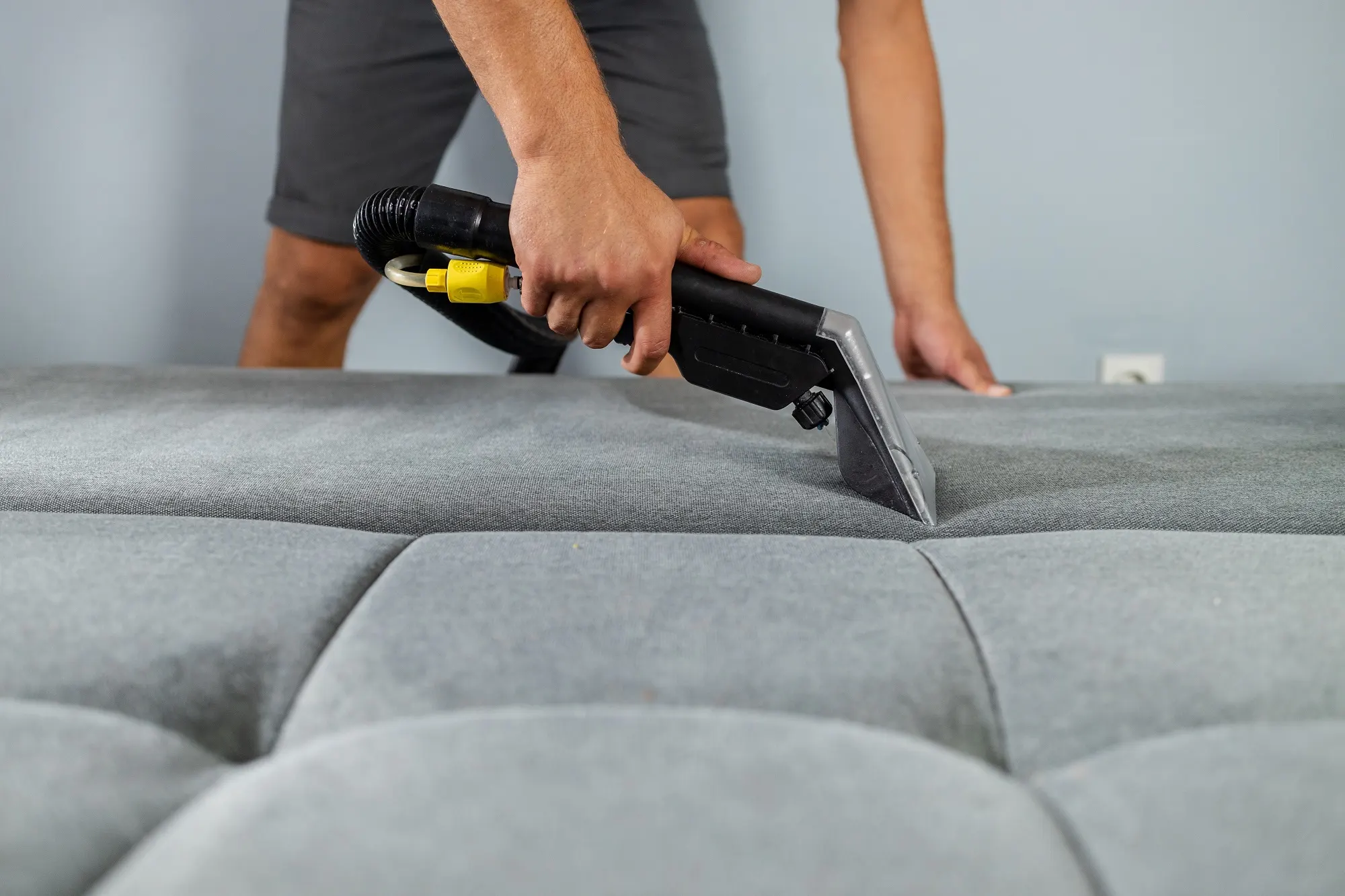
April 13, 2026
April 13, 2026
How to Deep Clean a Couch at Home: A Complete DIY Guide
Looking for the best way to deep clean a couch? This guide covers every fabric type, the right tools, and stain removal tips that actually work.
Read More